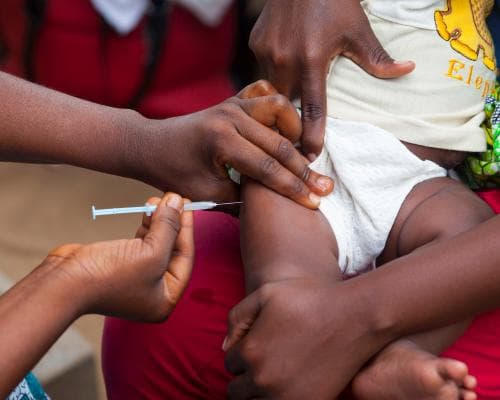
Controversial Vaccine Trial in Guinea-Bissau: Ethical Concerns and Conspiracy Theories
A new vaccine trial in Guinea-Bissau has sparked significant controversy, particularly due to its implications for ethical medical research and the potential exploitation of vulnerable populations. The trial, which involves withholding hepatitis B vaccines from certain newborns, has been championed by Robert F. Kennedy Jr., a prominent vaccine skeptic and current secretary of the U.S. Department of Health and Human Services (HHS). This situation raises critical questions about the ethics of conducting medical research in developing countries and the broader implications for vaccine policy.
The Trial's Controversial Framework
The trial, approved by a Danish ethics committee, aims to enroll 14,000 infants in Guinea-Bissau. Researchers will administer the hepatitis B vaccine to half of the newborns while withholding it from the other half for the first six weeks of life. Critics argue that this approach is akin to conducting a lottery with the lives of newborns, as those who do not receive the vaccine are left vulnerable to hepatitis B, a virus that can lead to severe health complications, including chronic infection and liver cancer.
Paul Offit, an infectious disease physician, has voiced strong concerns about the ethical implications of this trial. He suggests that Kennedy is exploiting the situation in Guinea-Bissau, where ethical standards may not be as stringent as in the U.S. Offit questions whether children in Africa are viewed as more expendable than those in wealthier nations, a sentiment that resonates with ongoing discussions about the ethics of medical experimentation in developing countries.
Ethical Dilemmas and Resignations
The ethical concerns surrounding this trial have led to resignations from key members of the Danish ethics committee. Stig Børsen Hansen, a founding member, resigned in protest, stating that enrolling newborns in such a manner raises significant ethical issues. He emphasized that the children who do not receive the vaccine are effectively being put at risk as part of a research project, which he described as a dangerous precedent.
- Key Concerns Raised by Critics:
- Ethical implications of withholding vaccines from newborns.
- Potential exploitation of vulnerable populations in developing countries.
- The risk of severe health outcomes for unvaccinated infants.
Funding and Support for the Trial
The U.S. Centers for Disease Control and Prevention (CDC) has allocated $1.6 million for this trial, which will be supplemented by private funding from organizations like the Pershing Square Foundation, co-founded by billionaire activist Bill Ackman. This financial backing raises further questions about the motivations behind the trial and the potential for profit-driven motives overshadowing ethical considerations in medical research.
The approval of this trial by the Danish ethics committee, which had never previously reviewed medical studies, has also drawn scrutiny. Critics argue that the committee's decision to move forward with the trial reflects a troubling shift in ethical standards, particularly given that the trial will not take place in Denmark, where ethical oversight is typically more rigorous.
The Broader Implications for Vaccine Research
Kennedy's involvement in this trial and his vocal opposition to vaccines have sparked fears that this study could serve as a prototype for future vaccine research in the U.S. Critics worry that the ethical boundaries being tested in Guinea-Bissau could eventually influence how vaccine trials are conducted domestically. The implications of this trial extend beyond Guinea-Bissau, raising concerns about the potential normalization of unethical practices in medical research.
Kennedy has praised the Danish researchers involved in the trial, referring to them as