Subpoena of New York Times Reporter Raises Questions About Government Secrecy
In a significant development for press freedom and government transparency, freelance New York Times reporter Matthew Cole has been subpoenaed by the Trump administration. This subpoena is linked to his reporting on a failed covert mission in North Korea, a situation that highlights ongoing tensions between the government and journalists. Investigators and conspiracy researchers alike should take note, as this incident underscores the potential for government overreach in its attempts to control information.
The Subpoena Details
According to reports, the subpoena was issued by prosecutors in Virginia and delivered to Cole's residence in New York by FBI agents. The government is demanding that Cole provide two years' worth of contacts and sources related to his reporting. This move raises serious concerns about the implications for journalistic integrity and the protection of sources, which are fundamental to a free press.
Cole's attorney, David A. O'Neil, emphasized his client's commitment to press freedom, stating that Cole will not be intimidated by the government's actions. This situation is particularly alarming given the broader context of the Trump administration's aggressive stance against what it deems unauthorized disclosures to the media.
A Pattern of Government Action Against Journalists
The subpoena against Cole is not an isolated incident. It follows a series of actions taken by the Trump administration aimed at journalists and their sources. Just last month, the New York Times reported that its own journalists had been subpoenaed in a separate leak investigation concerning Trump's aircraft gifted by Qatar. Although those subpoenas were later withdrawn, they reflect a troubling trend of government scrutiny over journalistic activities.

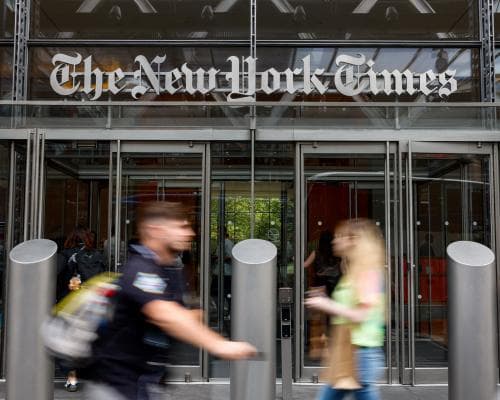
Lead image — via The Guardian
Additionally, the administration has sought records from Wall Street Journal reporters to uncover sources behind articles discussing the risks of war with Iran. These actions raise critical questions about the balance between national security and the public's right to know, a theme that resonates deeply within conspiracy research circles.
Government vs. Press: A Dangerous Precedent
The ongoing conflict between the government and the press is not just a matter of legal battles; it also poses a significant threat to the principles of democracy. The First Amendment protects the freedom of the press, yet the increasing frequency of subpoenas and investigations against journalists suggests a chilling effect on those who seek to hold power accountable.
As Judge Arun Subramanian of the U.S. District Court for the Southern District of New York pointed out during previous proceedings, the legal standards for subpoenaing journalists must be rigorously upheld. The question remains: are these standards being met, or is the government overstepping its bounds?
The Broader Implications for Investigative Journalism
The implications of this subpoena extend beyond Cole and the New York Times. They signal a potential shift in how the government interacts with the media, particularly in sensitive areas like national security. Investigative journalism plays a crucial role in uncovering misconduct and informing the public, yet the fear of legal repercussions may deter journalists from pursuing important stories.
As conspiracy researchers often highlight, the relationship between government secrecy and media reporting is fraught with tension. The public's right to know is often pitted against national security interests, leading to a murky landscape where information is controlled and manipulated.
Conclusion: What Lies Ahead?
The subpoena of Matthew Cole serves as a stark reminder of the ongoing battle for press freedom in the United States. As the government continues to pursue journalists under the guise of protecting national security, the question arises: how far will they go to silence dissenting voices? And what does this mean for the future of investigative journalism?
As we reflect on these developments, it is crucial for both the public and the media to remain vigilant in defending the principles of transparency and accountability. The stakes have never been higher.
What are your thoughts on the implications of government subpoenas for journalists? How can the media better protect its sources in the face of such challenges?