US-Iran Talks: A Last Chance to Avoid Escalation?
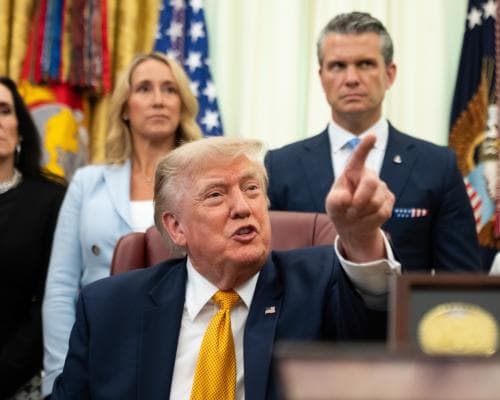
Recent statements from former President Donald Trump suggest that new negotiations between the United States and Iran could be the final opportunity for Tehran to avert a military escalation. As tensions rise and the specter of conflict looms, these discussions are critical for conspiracy researchers and geopolitical analysts alike. The implications of these talks extend beyond mere diplomacy, hinting at deeper secrets and potential military maneuvers.
The Stakes of the Strait of Hormuz
Trump characterized the upcoming negotiations as pivotal, emphasizing that the reopening of the Strait of Hormuz is the first step towards addressing U.S. concerns about Iran's nuclear ambitions. This strategic waterway is crucial for global oil shipments, and any disruption could have far-reaching consequences.
- Key Points of Discussion:
- Reopening the Strait of Hormuz
- Addressing nuclear program concerns
- Potential military actions if talks fail
The former president's remarks underscore a growing impatience with Iran, which he described as “unbelievably duplicitous.” This characterization raises questions about the sincerity of Iran's diplomatic overtures and whether they are merely a facade to buy time while pursuing its nuclear agenda. For conspiracy theorists, this narrative aligns with longstanding suspicions about Iran's intentions and the broader geopolitical chess game involving major powers.
Iran's Position and Oman's Role
Despite Trump's assertions, Iranian officials have denied that negotiations with the U.S. are imminent. Tehran's foreign ministry spokesperson, Esmail Baghaei, stated that discussions are currently limited to talks with Oman regarding a temporary shipping route. This development hints at a complex web of diplomacy where Oman plays a mediating role, potentially acting as a conduit for Iranian interests while avoiding direct confrontation with the U.S.
The proposed shipping route through the Strait of Hormuz is not just a logistical solution; it represents Iran's assertion of sovereignty over the strait. The Iranian government has made demands regarding the management of this vital waterway, including the possibility of charging fees for maritime services. This raises questions about the balance of power in the region and whether Iran is positioning itself for greater control amid U.S. naval presence.
The Broader Implications of Military Escalation
The backdrop of these discussions is fraught with tension, as Trump revealed that he had recently postponed a significant military strike against Iran. This decision was influenced by Saudi Arabia's Crown Prince Mohammed bin Salman, who urged for diplomatic solutions. The potential for military escalation remains high, especially given the ongoing conflicts involving Iranian-backed forces in Iraq and Yemen.
Iran's insistence on a specific shipping route and its rejection of U.S. proposals for traffic division indicate a hardening stance. The Iranian leadership's skepticism towards U.S. intentions is echoed in statements from the Assembly of Experts, warning against trusting a