The Looming Threat of AI and Nuclear Conflict: A Call to Action for Humanity's Future
A recent assessment by The Lancet has raised alarm bells about the potential extinction of humanity by the year 2100, primarily due to the malicious use of artificial intelligence (AI) and the specter of nuclear war. This report is crucial for conspiracy researchers and global citizens alike, as it underscores the interconnectedness of various threats that could lead to catastrophic outcomes. The implications of this assessment are profound, suggesting that the decisions made by today's leaders could shape the future of human health and survival.
The 17 Major Threats to Humanity
The Lancet Commission on 21st Century Global Threats to Health identified 17 significant risks that could jeopardize human health over the next 75 years. Among these, the misuse of AI and nuclear conflict stand out as the most alarming, with the potential to cause extinction. Other threats include:
- Climate change
- Childhood malnutrition
- Cuts to international aid
- Air pollution
- Antimicrobial resistance
The commission emphasizes that these threats do not exist in isolation; they interact with one another, creating a complex web of risks that must be addressed collectively. The report highlights that while the likelihood of these catastrophic events occurring may be low, their potential impact is apocalyptic.
The Role of AI in Global Catastrophe
The report specifically points to the malicious use of AI, including the development of bioweapons, as a significant risk factor. The potential for AI to create biological weapons that could lead to widespread devastation is a chilling prospect. Furthermore, the report warns that a nuclear conflict could inject enough particles into the atmosphere to block sunlight, resulting in nuclear famine. This scenario raises critical questions about the ethical implications of AI development and the safeguards necessary to prevent its misuse.
Image caption: A visual representation of AI technology and its potential risks to humanity.
The Interconnected Nature of Global Risks
The Lancet's findings suggest that the threats facing humanity are not only numerous but also interconnected. For instance, climate change exacerbates issues like childhood malnutrition and health disparities in lower-income regions. The report indicates that high-income countries are experiencing health losses primarily due to non-communicable diseases, while lower-income regions face challenges related to education and malnutrition. This disparity highlights the urgent need for a coordinated global response to these threats.
The Call for Action
The commission's authors urge policymakers to take immediate action to mitigate these risks. They argue that investments in technological innovations and strengthening health systems are essential for addressing the multifaceted threats identified in the report. The findings will be presented at the World Health Summit in Berlin, where the commission plans to update its assessment annually to reflect new data and emerging hazards.
As we stand on the brink of potential global catastrophe, the question remains: Are our leaders prepared to confront these threats head-on? The urgency of the situation cannot be overstated, and the time for action is now.
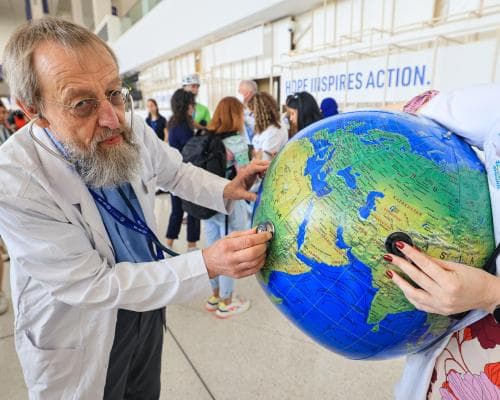
Image caption: Delegates at the World Health Summit discussing global health threats.
Conclusion: What Lies Ahead?
The Lancet's assessment serves as a stark reminder of the precarious state of humanity's future. As conspiracy researchers and global citizens, we must ask ourselves: How can we hold our leaders accountable for addressing these threats? What measures can be taken to ensure that the potential for AI and nuclear conflict does not lead us to extinction? The answers to these questions will shape the trajectory of our world in the coming decades.
For more information, visit The Guardian.