Cyber Attacks on US Water Facilities: A Wake-Up Call for Infrastructure Security
In a troubling development for national security, federal authorities have reported that “malicious cyber actors” are targeting water and wastewater facilities across at least seven states in the United States. This alarming trend raises significant questions about the vulnerabilities inherent in critical infrastructure, especially as it relates to potential foreign interference. Investigators and conspiracy researchers alike are left to ponder the implications of these attacks, particularly as they may hint at deeper systemic issues within government cybersecurity measures.
The Scale of the Attacks
Minnesota has emerged as the epicenter of these cyber assaults, with 30 of its water systems reportedly affected. The disruptions have led to various issues, including low water pressure in homes and boil-water notices issued by some utilities. Fortunately, there have been no confirmed reports of drinking water contamination, but the situation remains precarious.
The U.S. Cybersecurity and Infrastructure Security Agency (CISA) has emphasized that these attacks target water entities of all sizes, highlighting a significant vulnerability in the digital age. The agency's statement underscores the risks associated with the internet connectivity of critical infrastructure systems, which can allow hackers to infiltrate, change passwords, and lock out operators. In response, CISA has advised utilities to take their systems offline and revert to manual operations to mitigate further disruptions.
Suspected Foreign Involvement
While the FBI has opened an investigation into the cyber attacks, it has not definitively attributed the responsibility to any specific group or nation. However, anonymous government officials have suggested that Iran may be behind the coordinated attacks, particularly as Tehran has reportedly intensified its cyber operations against the U.S. since the onset of the recent conflict. This speculation raises important questions about the extent of foreign influence in domestic cybersecurity vulnerabilities.

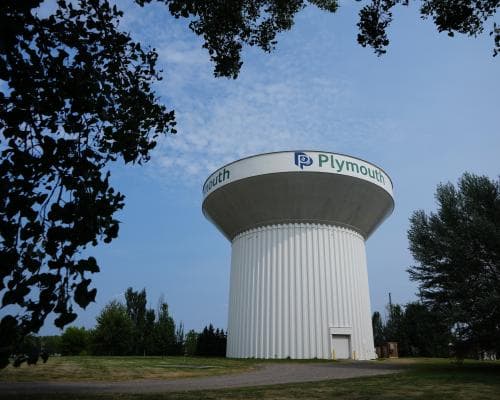
Lead image — via The Guardian
Former President Donald Trump has controversially blamed Minnesota's state government for the attacks, claiming incompetence without providing evidence. Minnesota Governor Tim Walz countered this assertion, stating that Trump is aware of the broader implications of these cyber threats and the need for a comprehensive strategy to address them. This exchange highlights the political dimensions of cybersecurity discussions, as well as the potential for misinformation to cloud the public's understanding of the issue.
Historical Context of Cyber Threats
The recent attacks are not isolated incidents; they are part of a troubling pattern of foreign-backed cyber threats targeting U.S. water infrastructure. In 2024, Russian-linked cyber attacks affected several rural Texas towns, causing significant disruptions. Similarly, Iranian-affiliated hacking groups have previously targeted Pennsylvania's water systems, prompting warnings from state lawmakers about the potential for widespread attacks across the country.
These incidents have led to urgent calls from cybersecurity experts and industry groups for the U.S. government to take decisive action to bolster infrastructure defenses. Tatyana Bolton, executive director of the Operational Technology Cybersecurity Coalition, has emphasized the need for renewed investment in cybersecurity measures, particularly as the expiration of a critical grant program looms.
- Key points from the recent attacks:
- Targeting of water facilities in at least seven states.
- Minnesota is the hardest hit, with 30 systems affected.
- No confirmed drinking water contamination reported.
- Speculation about Iranian involvement in the attacks.
The Need for Action
The ongoing cyber threats to U.S. water infrastructure serve as a stark reminder of the vulnerabilities that exist within critical systems. Experts argue that ignoring these vulnerabilities could have dire consequences, not just for individual states but for national security as a whole. The call for the government to reinstate and fund cybersecurity grant programs is more urgent than ever, as local entities struggle to defend themselves against sophisticated nation-state actors.
As the situation unfolds, one must consider the broader implications of these attacks. Are we witnessing the beginning of a new era of cyber warfare, where critical infrastructure becomes a battleground for geopolitical conflicts? What steps can be taken to ensure that our water systems—and by extension, our communities—are adequately protected from future threats?
The answers to these questions may shape the future of cybersecurity in the United States, as well as the relationship between government entities and the citizens they serve.
For more information on this developing story, visit The Guardian.