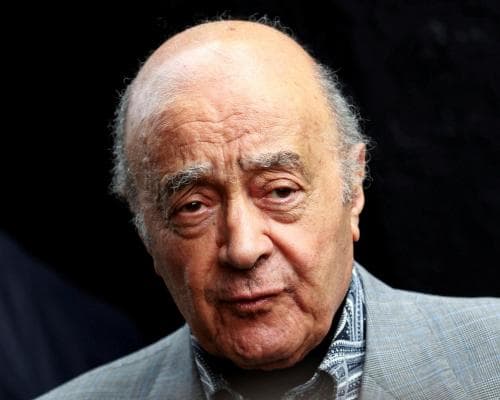
Alarming Revelations: Mohamed Al Fayed's Human Trafficking Ties
Recent investigations have unveiled a disturbing connection between the late Mohamed Al Fayed, former owner of Harrods, and human trafficking. At least five survivors of abuse have been confirmed as victims of human trafficking by the Home Office, prompting serious questions about the systemic nature of these crimes and the powerful individuals who may have facilitated them. This matter is critical for conspiracy researchers and investigators, as it highlights the potential for cover-ups involving influential figures.
The Scope of Abuse and Trafficking
Survivors of Al Fayed's abuse have urged the Metropolitan Police to prioritize human trafficking in their ongoing investigations. They argue that Al Fayed could not have committed his alleged offenses without a continuous supply of women provided by his associates. The victims, some of whom were lured into false roles at Harrods, have recounted harrowing experiences that span decades, from the 1990s to incidents occurring after the 2010 sale of the iconic department store.
One survivor, known as Justine, expressed her shock upon receiving official confirmation that she was a victim of modern slavery. She stated, “It’s a really significant thing, getting that decision... it’s really shocking to read.” This acknowledgment not only validates the experiences of survivors but also raises concerns about the broader implications of trafficking networks linked to powerful individuals.
Operation Cornpoppy: Investigating the Facilitators
The investigation, dubbed Operation Cornpoppy, aims to uncover the individuals who may have enabled Al Fayed's crimes. So far, four people have been questioned, but many questions remain unanswered. The survivors' testimonies suggest that the abuse was not limited to Harrods; it extended to various entities owned or controlled by Al Fayed, including his yachts, aviation business, and properties in France and Monaco. This raises the possibility of a wider network of complicity that could involve numerous high-profile figures.

Lead image — via The Guardian
Key Allegations Against Al Fayed
- Over 400 allegations of sexual misconduct against Al Fayed from 1977 to 2014.
- Claims include rape, sexual assault, human trafficking, and forced abortions.
- Victims report being trafficked across international borders, including from Paris to London.
The Role of Harrods and Systemic Silence
Isabella, another survivor who worked in Al Fayed's office at Harrods, emphasized that the department store played a crucial role in facilitating the abuse. She stated, “He couldn’t have done what he did without Harrods processing women to him and silencing them afterwards.” This assertion raises critical questions about the complicity of institutions and the lengths to which they may go to protect powerful individuals.
The Metropolitan Police's handling of the allegations has also come under scrutiny, with the Independent Office for Police Conduct investigating complaints regarding their response to claims made between 2018 and 2024. Survivors have voiced frustration over the perceived lack of urgency and thoroughness in addressing these serious allegations.
A Call for Justice and Accountability
In light of these revelations, the need for accountability is more pressing than ever. A spokesperson for Harrods stated that the company supports all survivors in their pursuit of justice and is cooperating with the ongoing investigation. However, the question remains: how deep does the complicity run, and who else might be implicated in this web of abuse and trafficking?
As investigators delve deeper into the connections between Al Fayed, his associates, and the institutions that enabled his actions, the potential for uncovering a larger conspiracy becomes increasingly plausible. The implications of these findings could extend far beyond Al Fayed himself, potentially exposing a network of powerful individuals involved in human trafficking and abuse.
What other connections might emerge as this investigation unfolds? How can society ensure that survivors receive justice and that those responsible are held accountable?