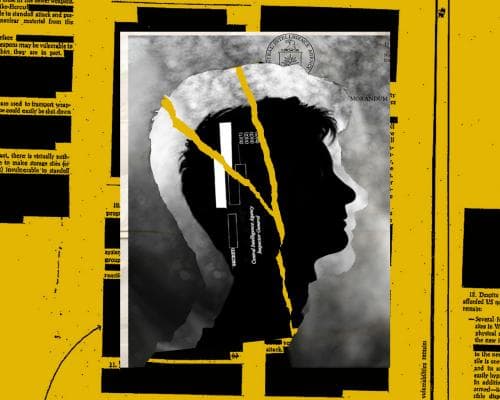
The Enduring Mystery of Havana Syndrome: Covert Health Attacks or Mass Hysteria?
The phenomenon known as Havana syndrome has captivated conspiracy researchers and intelligence analysts alike since its emergence in 2016. Reports of mysterious health incidents affecting U.S. diplomats and intelligence officers have raised questions about the possibility of covert health attacks, particularly involving sonic or microwave weapons. As new revelations continue to surface, the debate over the origins and implications of these incidents remains unresolved, making it a critical topic for investigators.
A Disturbing Awakening: The CIA Officer's Experience
In April 2019, a senior CIA officer on assignment in London experienced an alarming episode that would later be linked to Havana syndrome. Waking in the middle of the night, he was struck by excruciating head pain, disorientation, and a loss of balance. Initially attributing his symptoms to food poisoning, he soon realized that something more sinister might be at play when similar episodes occurred during a subsequent trip to Poland.
This officer's experience is not isolated; it mirrors the accounts of numerous colleagues who reported similar symptoms. The term