Contaminated Water in ICE Detention: A Disturbing Revelation
A recent video released by attorneys for Carlitos Ricardo Parias, a detainee at the Adelanto Immigration and Customs Enforcement (ICE) facility in California, has sparked outrage and concern over the quality of drinking water provided to individuals in detention. The footage, which shows what appears to be worm-like creatures swimming in a bottle of water, raises serious questions about health standards and potential cover-ups by authorities. This incident not only highlights the dire conditions within the facility but also underscores the broader implications of government accountability in immigration detention centers.
The Disturbing Footage
In a video call, Parias, who has been detained for several months, presented a plastic bottle filled with water that allegedly contained small pests. Describing them as “worms” or “larvae,” Parias claimed that this contaminated water was provided to detainees for drinking. The video, although grainy, has circulated widely among immigration advocates and attorneys, prompting immediate concern about the health implications for those detained at Adelanto.
Margaret Hellerstein, one of Parias's attorneys, expressed her horror upon viewing the footage, stating, “This is video evidence. They can’t just sweep it under the rug.” The lack of response from the Department of Homeland Security (DHS) and Geo Group, the private company operating the facility, raises further questions about transparency and accountability in the treatment of detainees.
Legal Context and Health Concerns
This revelation comes on the heels of a federal judge's order mandating that ICE ensure 24-hour access to clean drinking water for detainees at the Adelanto facility. This ruling was part of a class-action lawsuit addressing the “dangerous conditions” faced by individuals in detention, including allegations of insufficient food, inadequate medical care, and, crucially, unsafe drinking water.

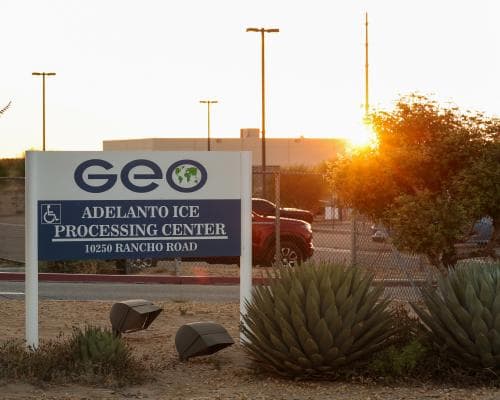
Lead image — via The Guardian
The lawsuit has highlighted ongoing complaints from detainees regarding the quality of water, with reports of murky, discolored water that raises serious concerns about its potability. The judge's order aimed to improve these conditions, yet the recent footage suggests that compliance may still be lacking.
Key Points from the Class-Action Lawsuit:
- Allegations of contaminated drinking water
- Reports of insufficient food and medical care
- Ongoing complaints about water quality from detainees
Government Accountability and Cover-Up Speculations
The apparent neglect in providing safe drinking water raises significant questions about the government's commitment to the health and safety of detainees. The DHS has claimed that the water is sourced from the city of Adelanto and meets FDA standards, yet the disturbing evidence presented by Parias contradicts these assertions. The lack of independent verification of the water quality and the absence of a timely response from the authorities suggest a potential cover-up of health risks within the facility.
Carl Bergquist, a counsel with the Coalition for Humane Immigrant Rights, emphasized the need for accountability, stating that the footage raises serious concerns about whether the government is adhering to the judge's order. The implications of this situation extend beyond Adelanto, as it reflects systemic issues within the immigration detention system as a whole.
The Broader Implications
As the video continues to circulate, it serves as a stark reminder of the conditions faced by many individuals in immigration detention. The potential health risks associated with contaminated water not only jeopardize the well-being of detainees but also highlight the urgent need for reform in the immigration system. Advocates are calling for increased oversight and transparency to ensure that such incidents do not go unaddressed.
The situation at Adelanto raises critical questions for investigators and advocates alike:
- What measures are being taken to ensure the safety of drinking water in ICE facilities?
- How can the public hold authorities accountable for the health and safety of detainees?
As this story develops, it will be crucial to monitor the responses from both the government and advocacy groups to ensure that the rights and health of detainees are prioritized.