Russian Missile Strike on US Drone Factory: A New Phase in Covert Military Operations?
A recent missile strike in Kyiv has brought to light the complexities of the ongoing conflict between Russia and Ukraine, particularly concerning the involvement of American companies in military operations. On Friday, a Russian ballistic missile targeted a drone manufacturing facility owned by Terminal Autonomy, a US corporation registered in Delaware. This incident marks a significant escalation, as it appears to be the first direct attack on an American business in the context of this war, raising questions about the implications for international relations and military strategy.
The Target: Terminal Autonomy
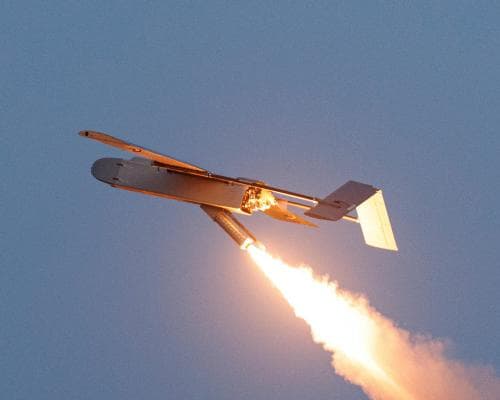
Terminal Autonomy specializes in producing advanced drones equipped with precision guidance systems that are designed to withstand Russian jamming efforts. The term “terminal autonomy” refers to the critical phase in a drone's operation where artificial intelligence takes over, allowing the drone to execute its mission even when communication signals are disrupted. This technology is particularly relevant in the current conflict, where electronic warfare plays a pivotal role.
According to the company’s website, their drones are already deployed in active combat scenarios, suggesting a direct involvement in the ongoing hostilities. The fact that a US firm is producing such technology for use in Ukraine adds another layer of complexity to the geopolitical landscape.
Implications of the Attack
The missile strike, which reportedly resulted in no casualties, has raised eyebrows among military analysts and conspiracy theorists alike. Anthony Vinci, a former senior US intelligence officer, emphasized that the Russians do not discriminate based on ownership when it comes to military targets. He stated, “The Russians don’t care who owns the manufacturing facility. It’s still a target.” This perspective suggests that the conflict may be entering a new phase where American interests are increasingly at risk.
The Russian state news agency Tass reported on the attack, framing it within the broader context of military operations against what they termed “Ukrainian-American” enterprises. This language hints at a narrative that could justify further aggression against US assets in the region, potentially escalating tensions even further.
The Broader Context of Military Engagement
The attack comes on the heels of a significant shift in US policy regarding military support for Ukraine. Earlier in July, former President Donald Trump indicated that the US would license Ukraine to manufacture Patriot anti-aircraft missiles. This move could further provoke Russian aggression, as Vinci noted that any American-made systems produced in Ukraine would likely become prime targets for Russian forces.
The implications of this attack extend beyond the immediate destruction of a factory. It raises questions about the nature of modern warfare, where the lines between corporate interests and military objectives are increasingly blurred. As American companies become more involved in the conflict, the potential for retaliation from Russia grows, leading to a precarious situation for both the companies and the US government.
What Lies Ahead?
As the conflict continues to evolve, the targeting of US corporate interests in Ukraine may signal a shift in Russia's military strategy. The attack on Terminal Autonomy not only highlights the risks faced by American businesses abroad but also raises critical questions about the future of US involvement in the region.
- Will more American companies become targets in this conflict?
- How will the US government respond to protect its corporate interests?
The situation remains fluid, and the implications of this missile strike could resonate far beyond the battlefield, affecting international relations and corporate security in the years to come.
For those following the intricacies of this conflict, the attack on Terminal Autonomy serves as a stark reminder of the interconnectedness of military and corporate interests in modern warfare. What does this mean for the future of US foreign policy and military engagement? Only time will tell.